
News
Solar Architecture training with Koltay Facades in Dubai by DEWA and SUPSI
For the first time, DEWA (Dubai Water and Electricity Authority) partnered with SUPSI and IEA PVPS (Photovoltaic Power Systems Programme) to organize a 3-day professional training in Dubai focusing on Solar Architecture. The training highlighted the BIPV (Building Integrated Photovoltaics) technology with emphasis on integrating photovoltaic panels into facades. Agnes thought such an event cannot be missed by Koltay Facades, and when she proposed to the team to participate, Saif, our Head of Construction and I jumped on the opportunity.
The training took place at the Dubai Sustainability and Innovation Center, part of Mohammed Bin Rachid Al Maktoum Solar park, the World's largest single-site solar park, the perfect location to inspire professionals about Solar Architecture and sustainability.
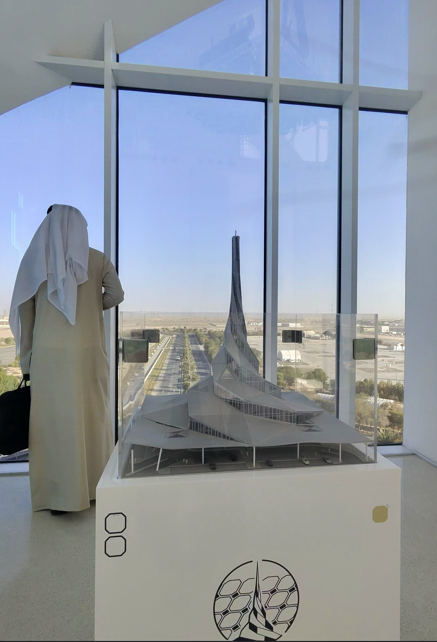
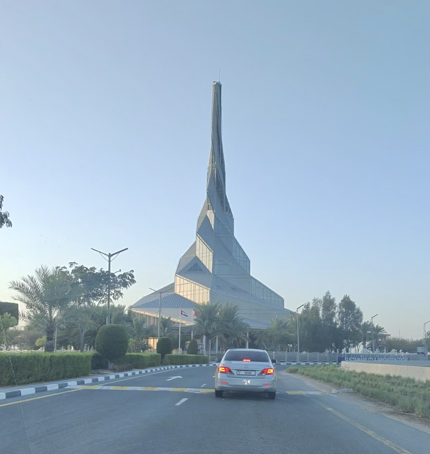
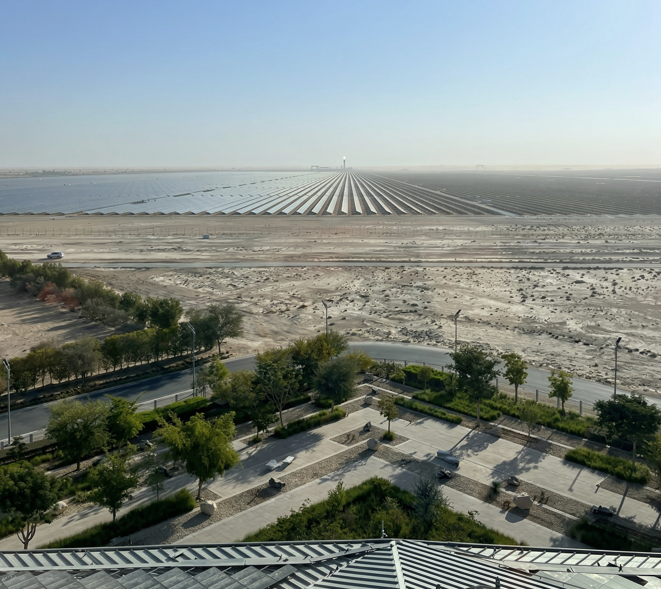
The training started with a short visit of the building followed by three days of lectures, workshops, groupworks and short interruptions where the diverse class could exchange visions about the future of Solar Architecture. Although SUPSI brought the technical knowledge of photovoltaics and insights from the European market with their Swiss elegance, the local professionals, including Koltay Facades, had their fair share in bringing added value to the course: Architects, Urban designers, MEP engineers and Facade consultants alike found that they had something to learn from the course and each-other.
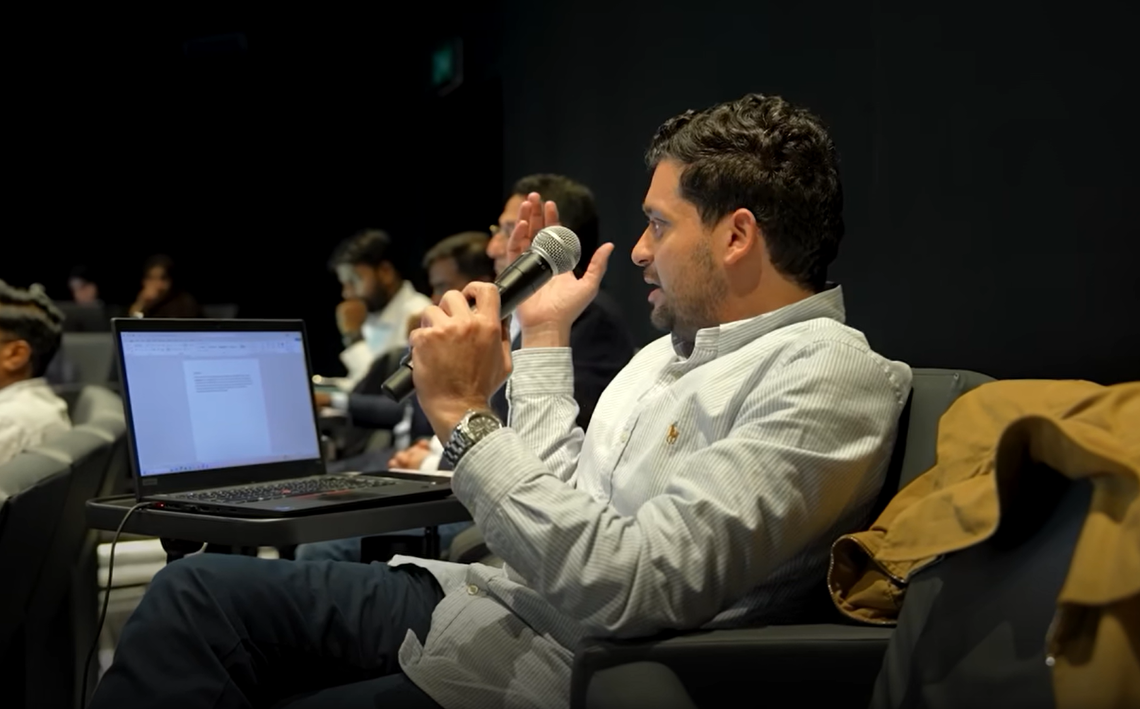
The first day focused on the introduction of the Solar Architecture: Visions of the industry leaders, such as Renzo Piano, Foster and Partners and Sunsoak Design shared in form of interviews carried out by SUPSI. Solar integration design strategies were presented with a series of case studies presenting solutions where the solar modules blend seamlessly into the architecture staying invisible, and others where it is a visual and architectural statement, a marketing piece symbolizing innovation, sustainability and a greener future. The day ended with a series of discussions, and by the end of the afternoon, the participants wrote their manifesto focusing on the future of Solar Architecture in the region.
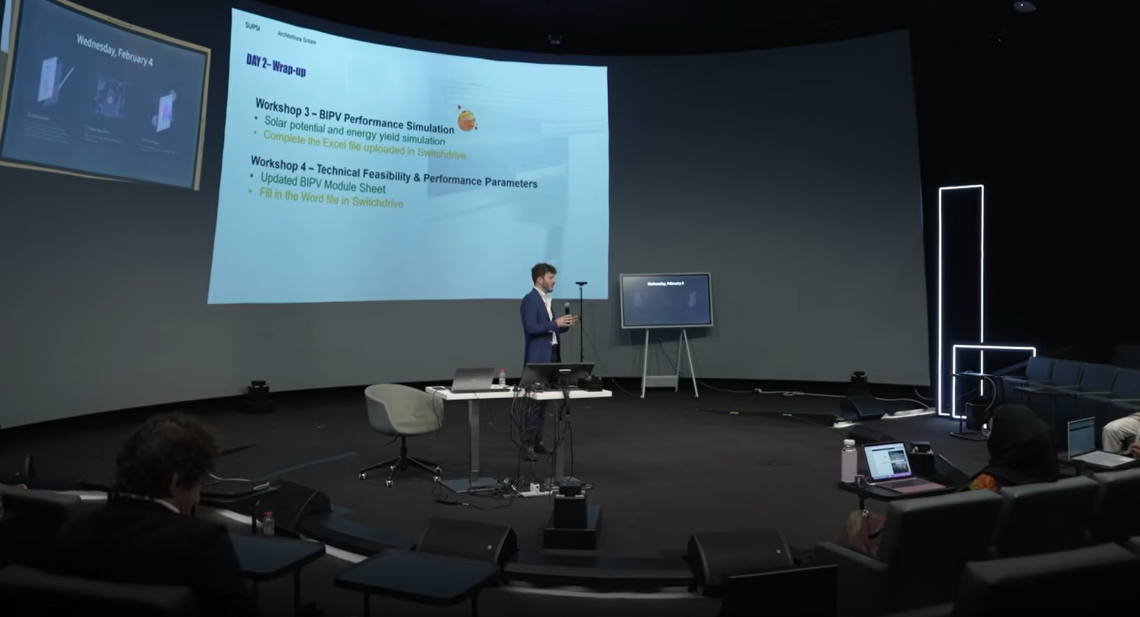
On the second day, the focus shifted from the architectural design strategies into deeper technical discussions involving photovoltaic design, wiring diagrams and energy performance analysis. One of the most relevant sessions was the BIPV performance standards section, where the SUPSI team explained the challenges of working with a building material which, for the moment, lacks sufficient description and guidance in local and internation codes and regulations, and presented their efforts and progress made in Europe thanks to IEA PVPS Task 15 (an international research initiative focusing on BIPV). They presented target performance criteria and a practical insight on what is achievable in terms of energy performance and fire resistance. Those who work in the field of facades might know that even though the technology is very promising in the Middle-East region, the local fire regulations stand in the way of the large-scale implementation of photovoltaic modules in the facades in the UAE. The day followed with presentation of built projects and the challenges faced on the construction site and the lessons learnt. Finally, the participants teamed up to carry out a case-study using BIM Solar, a digital tool allowing to analyse solar conditions, design building integrated photovoltaic panels simulate their performance in terms of energy production and price.
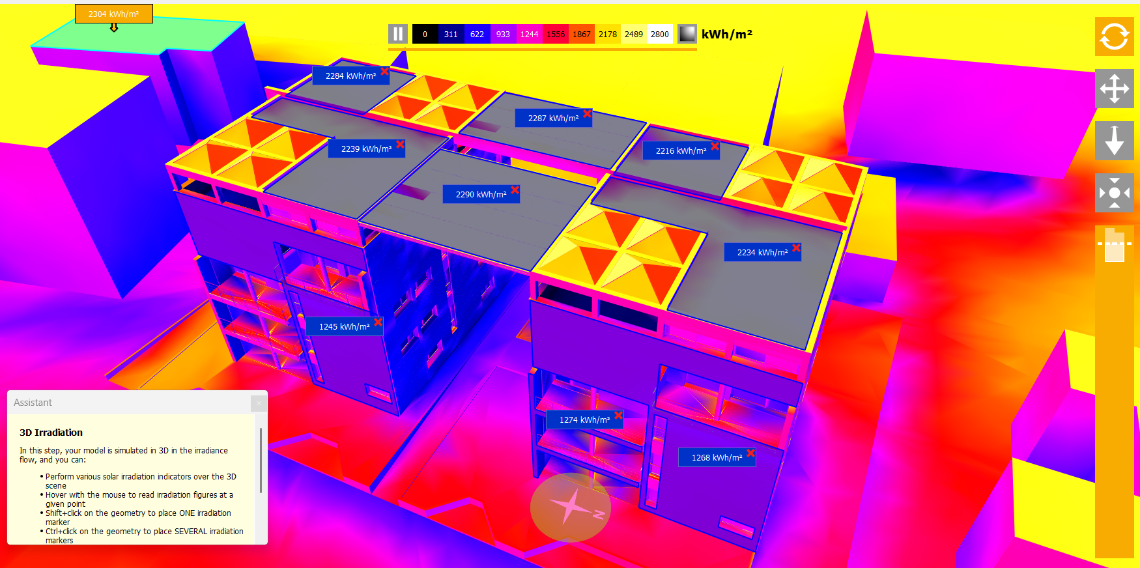
The last day focused on market trends, cost analysis and financial viability of the integration of photovoltaic panels. A guest-lecturer from Becquerel Institute (Belgium) presented the evolution of the photovoltaic market in Europe, and the group also had the chance to simulate the return on investment of the project they developed the previous day in BIM Solar. Some built projects were presented and analysed highlighting how the balance between energy performance, architectural design and cost can be achieved in different ways depending on design intent and the project context.
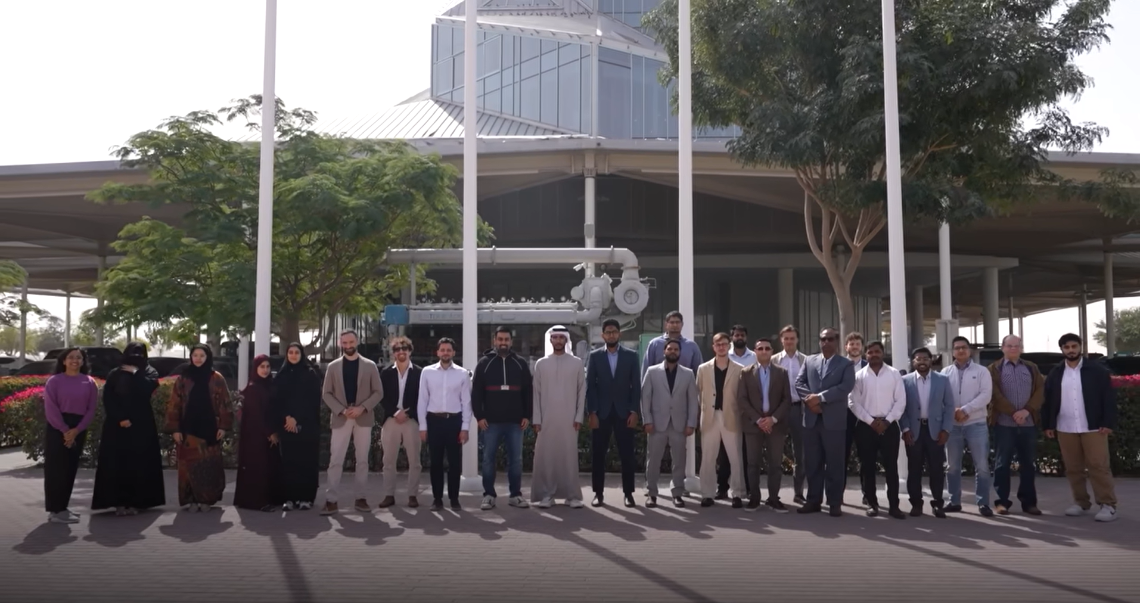
Finally, the training ended with a short exam and a series of interviews and exchanges, where some participants, including Saif, were asked to provide feedback over the course.
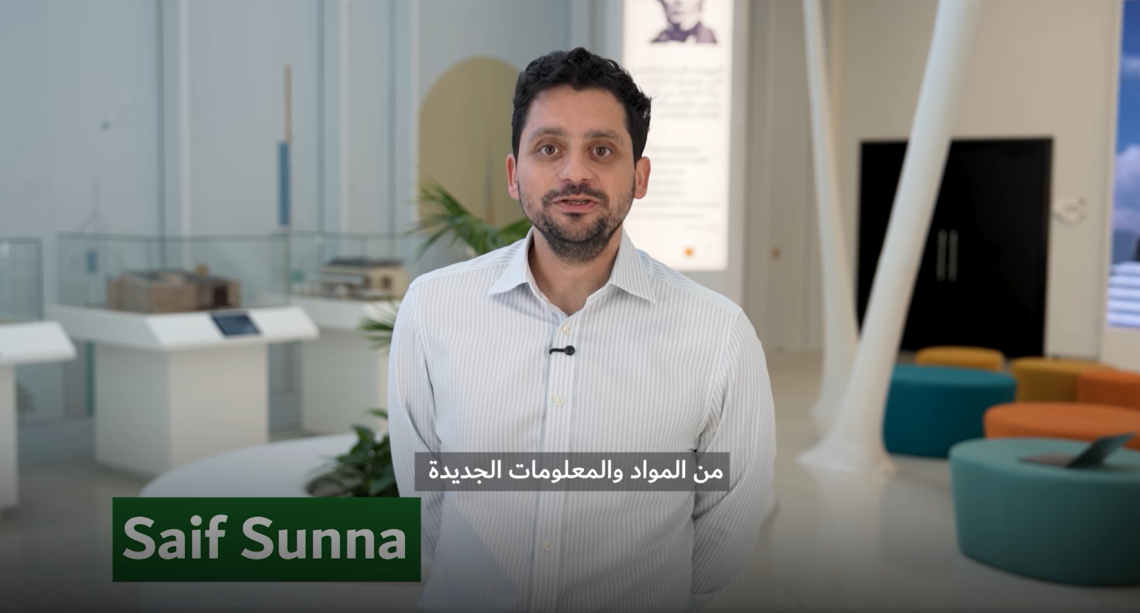
For more information about the lecturers click here: IEA PVPS - Photovoltaic Power Systems Programme's post on instagram
To see the summary of the training and part of last day's interviews, click here: Sustainibility & Innovation Center - Solar Training summary video and interviews